Prominent Women of Edinburgh
This International Women’s Day (March 8) we’re championing the women who have made an impact in Edinburgh’s history, and the traces they’ve left behind.
Mary Queen of Scots
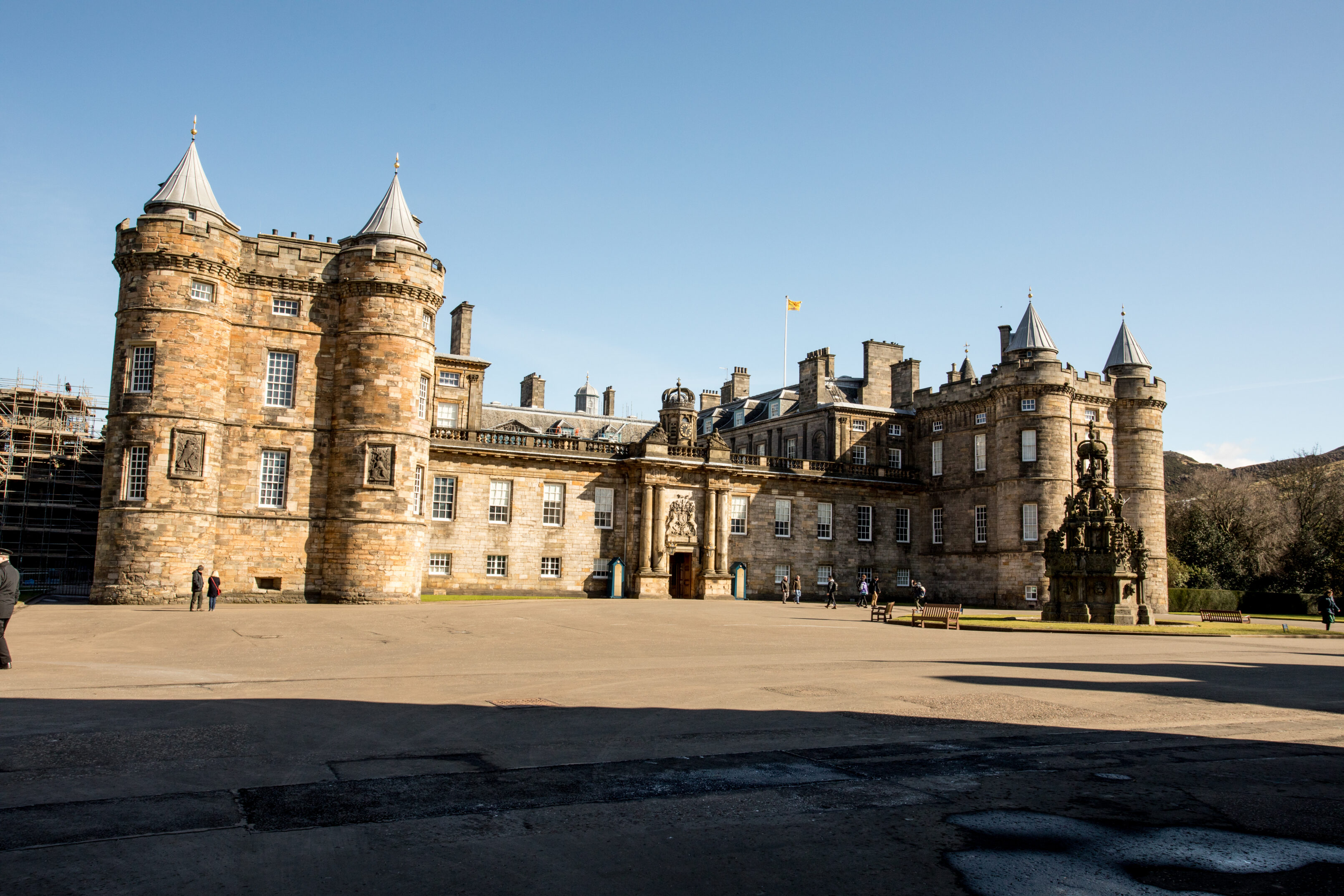
Born in 1542, Mary became queen at just six days old. Her reign came to an end in 1587 when, after a life of troubled marriages, betrayal, and rebellion, she was executed under the orders of Queen Elizabeth I of England for treason. While Elizabeth signed the death warrant, her advisors pushed through the warrant without her direct, final consent. The Palace of Holyroodhouse was Mary’s primary residence in Edinburgh from 1561-1567. She also stayed at Edinburgh Castle during more turbulent times and during the birth of her son, the future King James VI.
Get guaranteed entry to both the Palace and Castle with our Royal Edinburgh Ticket or buy discounted entry tickets from the tour staff and visit the very rooms she lived in.
Edinburgh’s Witches
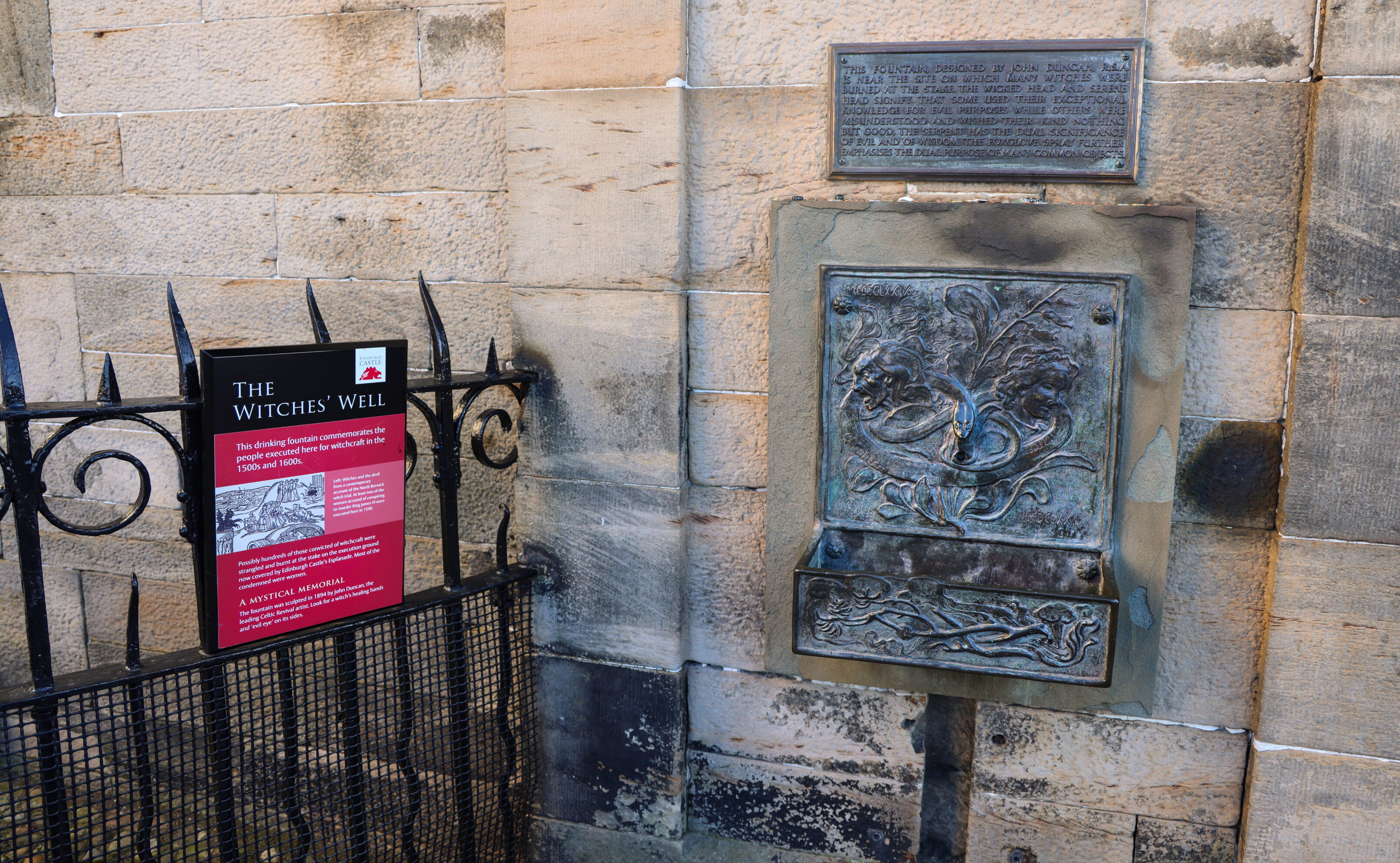
Between the 1563 and 1736 over three hundred people were executed on Edinburgh’s Castlehill accused of witchcraft. Suspected witches were tortured, strangled, and burned at the stake or drowned in the nearby Nor Loch, the site of Princes Street Gardens today.
Around 85% of those accused were women, targeted due to their use of natural medicine, because of mental illness, or simply as a result of personal disputes and vendettas. King James VI had a particular obsession with ‘rooting out’ witchcraft and often held interrogations at Holyrood Palace. Today you can find a small bronze fountain on Castle Promenade commissioned in 1894 to commemorate of the victims of these persecutions.
Maggie Dickson
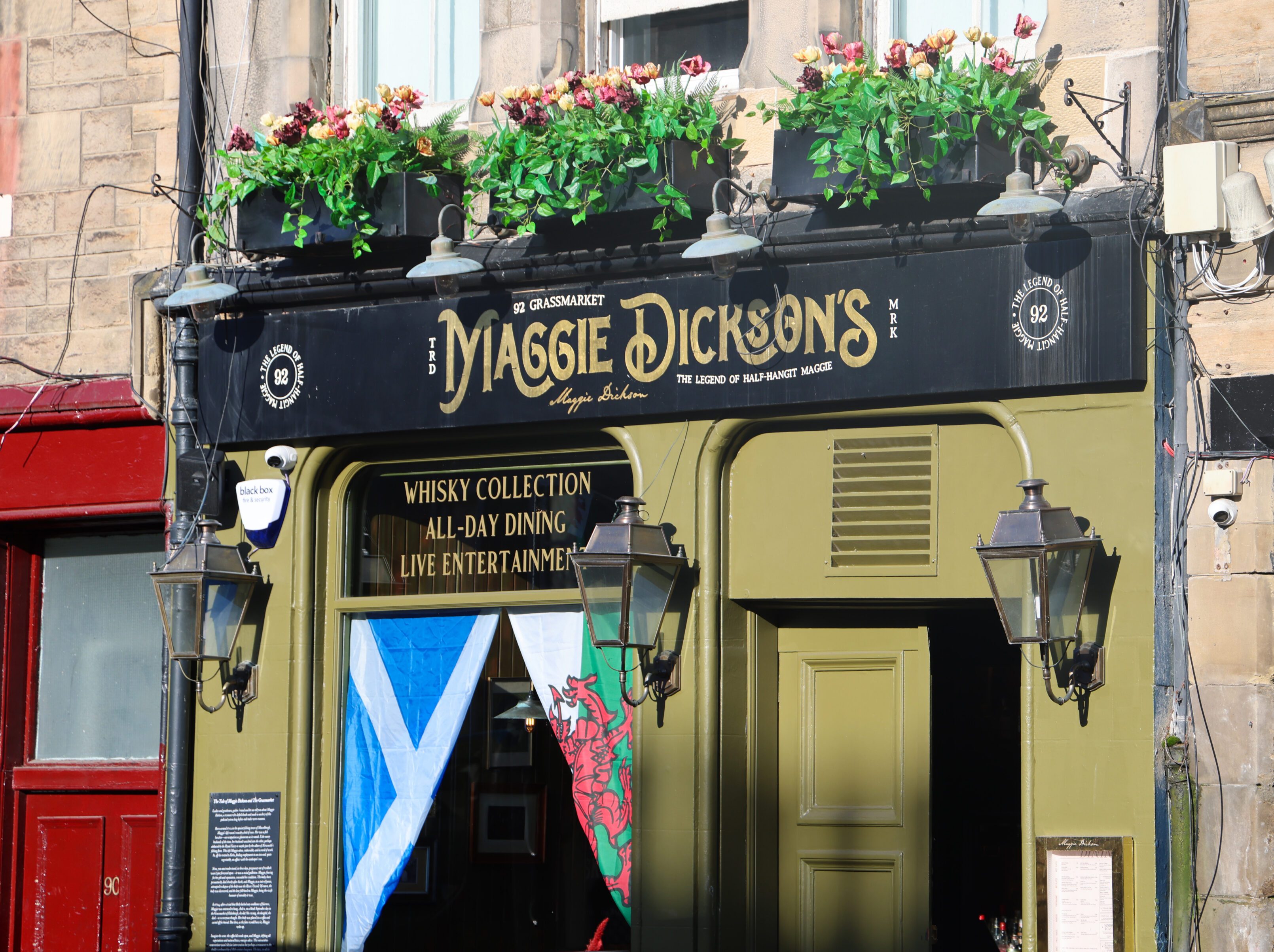
On 2 September 1724, Maggie Dickson – also known as ‘Half-Hangit Maggie’ – survived her own execution in Edinburgh’s Grassmarket. When she prematurely gave birth to a still-born baby and was discovered trying to bury the remains, she was put on trial for murder. She was found guilty and sentenced to be hanged in punishment.
Following the hanging she was placed in a coffin and taken to her birthplace of Musselburgh for burial. However, on the journey to Musselburgh the driver of the cart heard noises coming from inside the coffin and discovered Maggie Dickson very much alive! After much legal debate it was decided that her sentence had already been carried out, therefore she couldn’t be hanged for a second time, and she went on to live for around another sixty years! The judges did, however, amend the law books as a result and from that point on the sentence was ‘hanged until dead.’
There is now a pub in the Grassmarket named after Maggie Dickson, overlooking the scene of her execution. Stop here for a refreshment by hopping off either the CitySighteeing Tour (🔴 Stop 3) or The Edinburgh Tour (🟢 Stop 10).
Maria Theresa Short
Not much is known about Maria Theresa’s life before her return to Edinburgh from the West Indies in 1827. She claimed to be the daughter of Thomas Short, a scientific instrument maker who died in 1788. She originally opened an observatory on Calton Hill with devices she had claimed as inheritance upon her return. There was, however, objection to the attraction and the local council evicted Maria and her observatory.
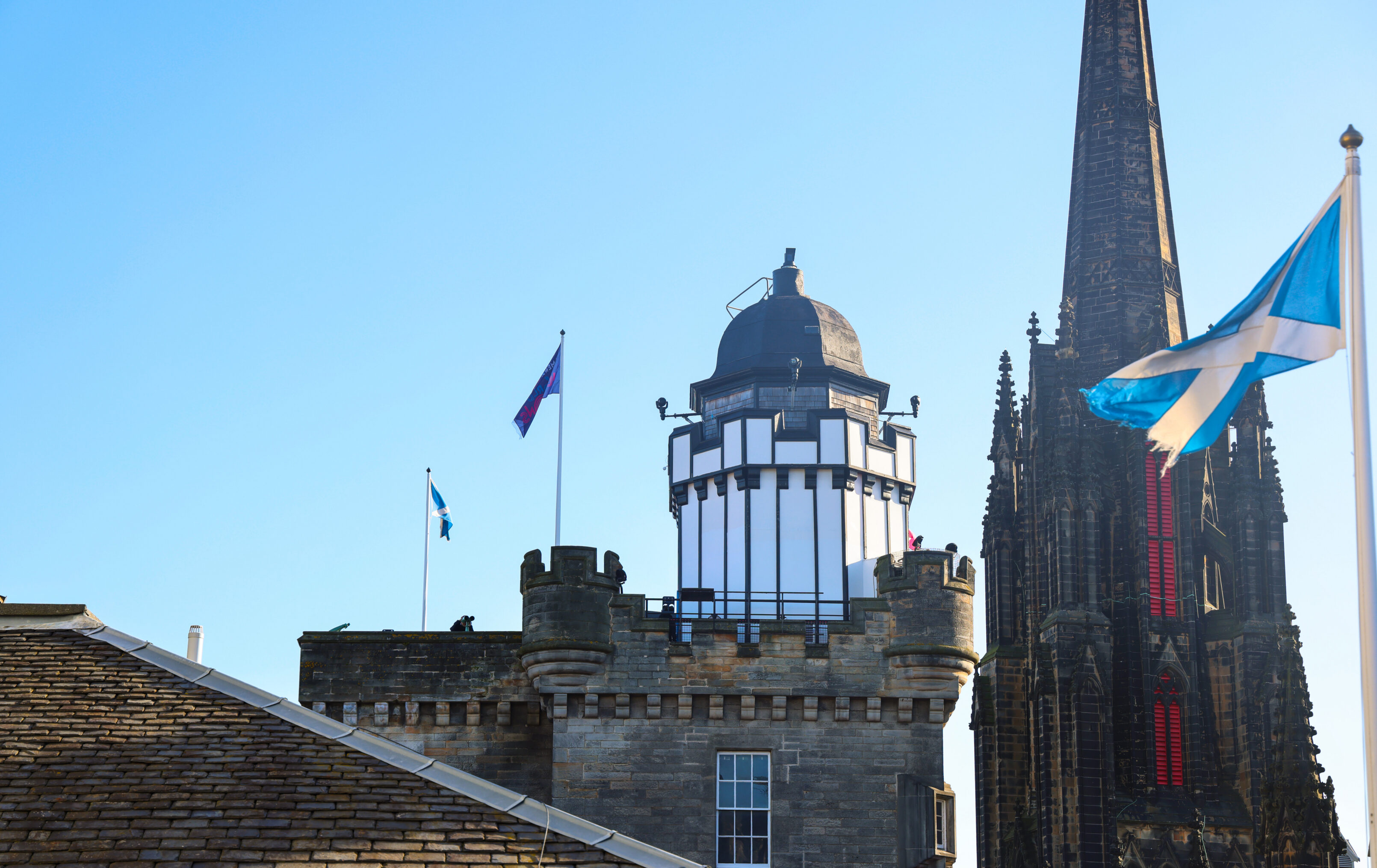
In 1853, she bought a property on Castlehill and opened a public observatory and museum of scientific curiosities, which would go on to become the Camera Obscura & World of Illusions.
Camera Obscura still sits in the same spot on Castlehill to this day, and you can get discounted tickets with your Edinburgh Bus Tour Ticket!
The Edinburgh Seven
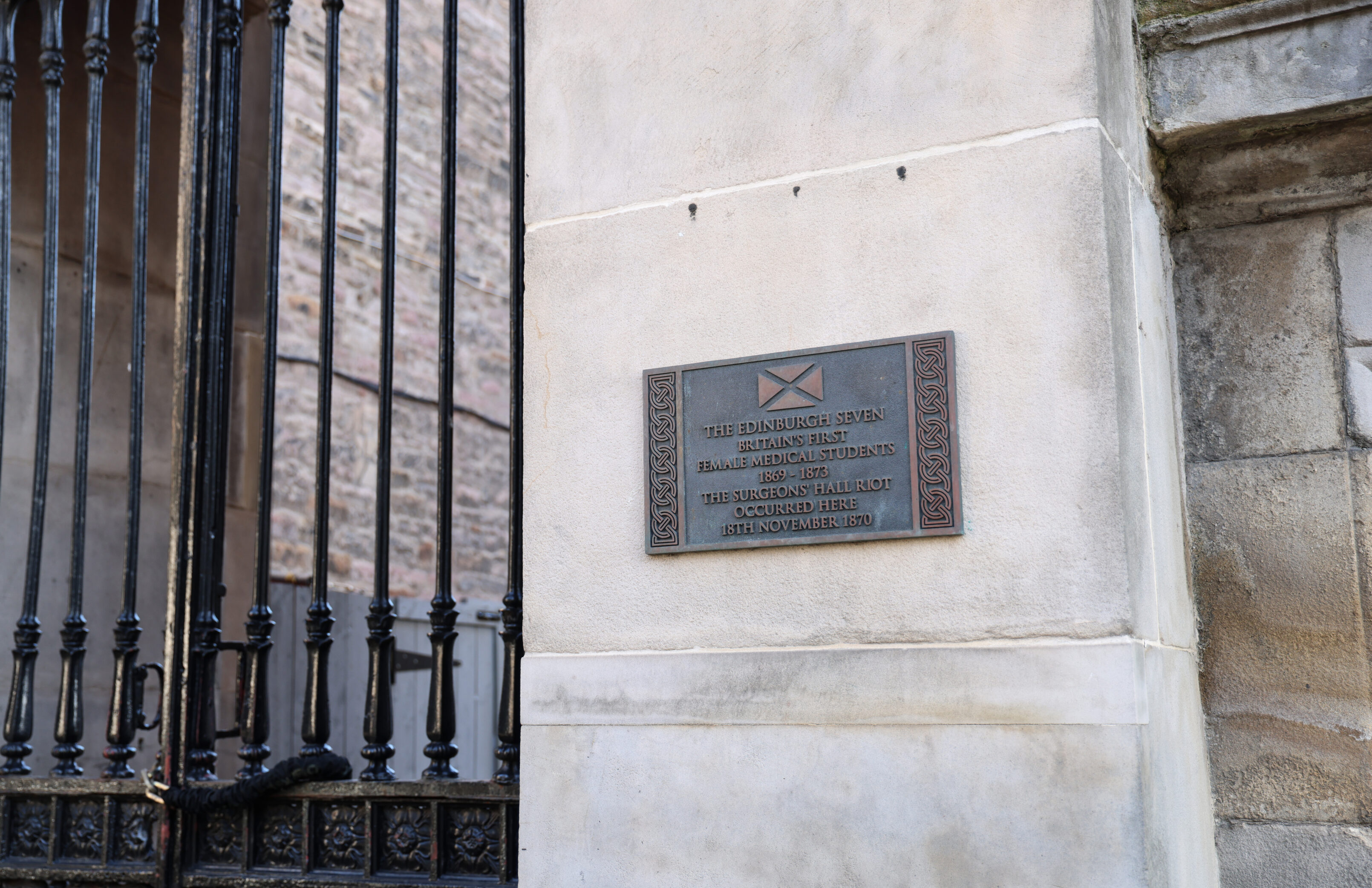
On the gates of Surgeon’s Hall, you will find a plaque that reads ‘The Edinburgh Seven, Britain’s first female medical students, 1869-1873, The Surgeon’s Hall riot occurred here 18th November 1870’.
The Edinburgh Seven consisted of Sophia Jex-Blake, Mary Anderson, Emily Bovell, Matilda Chaplin, Helen Evans, Edith Pechey, and Isabel Thorne. During the ‘Surgeon’s Hall Riot’ the women were blocked from entering and assaulted by a mob while attempting to take an anatomy exam. Despite facing barricades at every turn, including being denied the degrees they’d earned, this incident was a turning point for equality as they went on to pave the way for women in medicine. The Seven were later recognised with posthumous honorary degrees from the University of Edinburgh in 2019.
You can visit their plaque by hopping off either the CitySighteeing Tour (🔴 Stop 5) or The Edinburgh Tour (🟢 Stop 9).
Dr Elsie Inglis
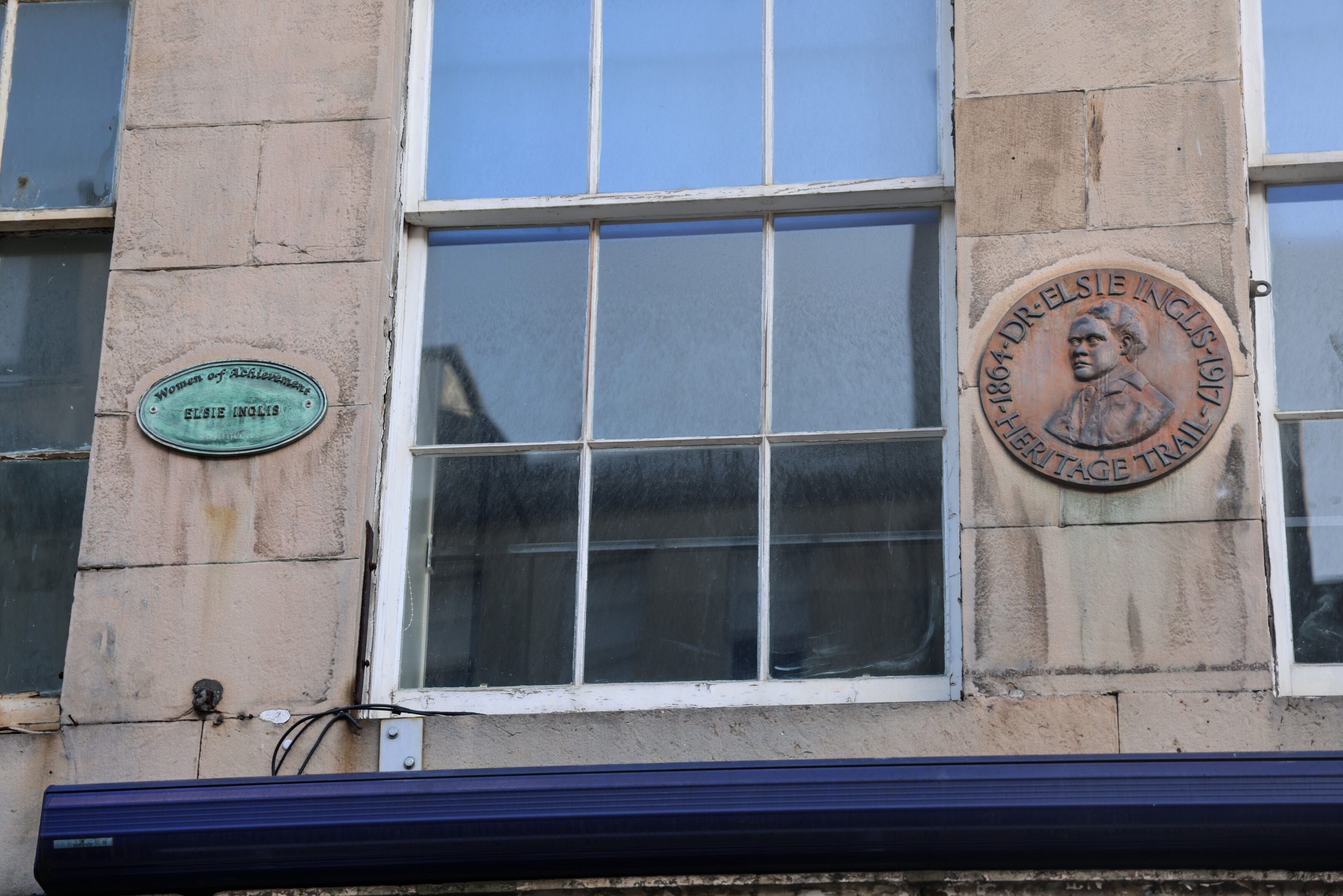
Dr Elsie Inglis established a maternity hospital in Edinburgh in 1894, staffed entirely by women. Not only did this initiative provide essential medical care to women but also created opportunities for women within the male dominated industry of medicine. During the First World War she contacted the War Office to offer her services in front-line hospitals, but her offer was declined and she was told to ‘go home and sit still.’
Dr Inglis and her colleagues did not ‘go home’ but instead formed the Scottish Women’s Hospitals. These all-female units provided support for Britain’s allies near the front lines across Europe. You can find a commemorative plaque for Dr Inglis at 219 High Street, marking the site of ‘The Hospice’ her maternity hospital. Plans are underway to erect a statue of Dr Inglis in the same location, which will be the third statue dedicated to a woman in Edinburgh. You can visit the site by hopping off either the CitySighteeing Tour (🔴 Stop 9) or The Edinburgh Tour (🟢 Stop 8).